Physical activity and movement is a cornerstone of well-being, contributing significantly to the physical, mental, and social health of communities across Wisconsin. In the face of prevalent chronic diseases and exacerbated health disparities, it is imperative to adopt a comprehensive community strategy that promotes engagement in physical activity, with a specific emphasis on strength training. […]
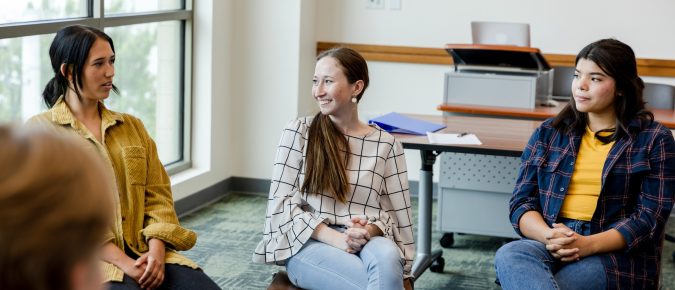
Addressing adolescent well-being is an identified priority across the state of Wisconsin. Following the COVID-19 pandemic, data from the 2021 Wisconsin Youth Risk Behavior Survey indicated that 55% of high school youth reported they have had problems with anxiety, 33% reported they have been so sad or hopeless they have stopped regular activities, and 18% […]
Concerns about young people’s mental health in Wisconsin precede the COVID-19 pandemic — in 2019, 28.5% of Wisconsin high school students reported feeling sad or hopeless. UW–Madison Extension’s Behavioral Health Program provides direct education to young people and adults to build individual knowledge and skills on positive self-management, stress, and coping skills to improve mental […]
One of the goals of Extension’s Health and Well-Being Institute is to improve the health and well-being of communities through education, policy, systems, and environmental approaches by mobilizing collective action. One way to mobilize collective action is to work with local health coalitions, which are groups of community members and organizations that come together to […]
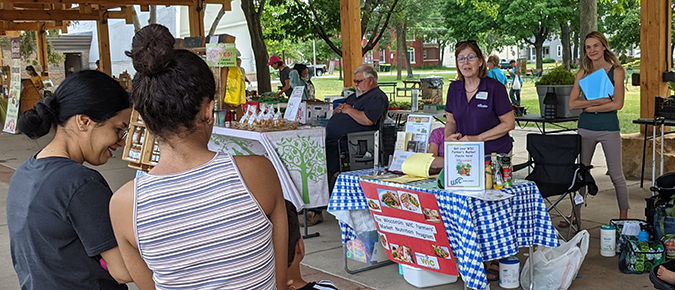
Two of the largest barriers people using Supplemental Nutrition Assistance Program benefits, called “FoodShare” in Wisconsin, face at farmers’ markets are the lack of availability of Electronic Benefits Transfer (EBT) systems and the lack of awareness that EBT programs exist. In 2022, farmers’ markets redeemed only 0.02% of all FoodShare benefits distributed in Wisconsin. To […]
Food security—defined as the assured physical and economic access to sufficient, safe, and nutritious food needed for healthy, active living—is critical to family and community well-being. The COVID-19 pandemic shone a spotlight on inequities in our food system, exacerbated food insecurity, and amplified pre-existing vulnerabilities in the food system, including production, processing, transportation, consumption, disposal, […]
Stress is a part of daily life, but when we face continuous challenges without relief or relaxation between those stressors, stress can become chronic and toxic. The effects of stress can lead to physical and emotional diseases, causing a burden on our health care system as well as personal problems that can otherwise be avoided […]
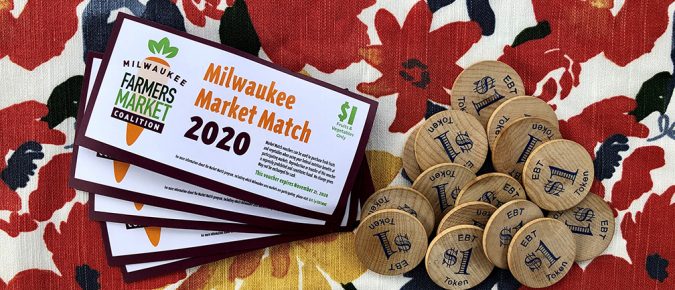
Food security has taken on a new prominence during the COVID-19 pandemic through major disruptions to access to healthy foods and family economic conditions. Extension and the Milwaukee Farmers Market Coalition tackled both, more than doubling the amount of federal food assistance used in Milwaukee-area markets. Ten Milwaukee farmers markets recorded $150,000 in sales in […]