Often, local challenges involve factors that go beyond the resources, jurisdiction, knowledge, or even capabilities of one community. Extension has a unique opportunity to help communities take steps toward local solutions while acting as a bridge to larger state resources. Sometimes, that connects communities to information and funding. Sometimes, Extension helps by bringing local concerns to the attention of decision makers who can make a difference.
As a bridge between the university and Wisconsin communities, we help communities find local solutions to big challenges. With county educators living and working in the communities they serve, we understand how new technology or cultural trends affect residents. With state specialists and faculty members conducting research, we bring new possibilities to communities, while also informing research and policy.
Here are three recent examples of how Extension is turning research into action to help Wisconsin face big changes and significant needs.
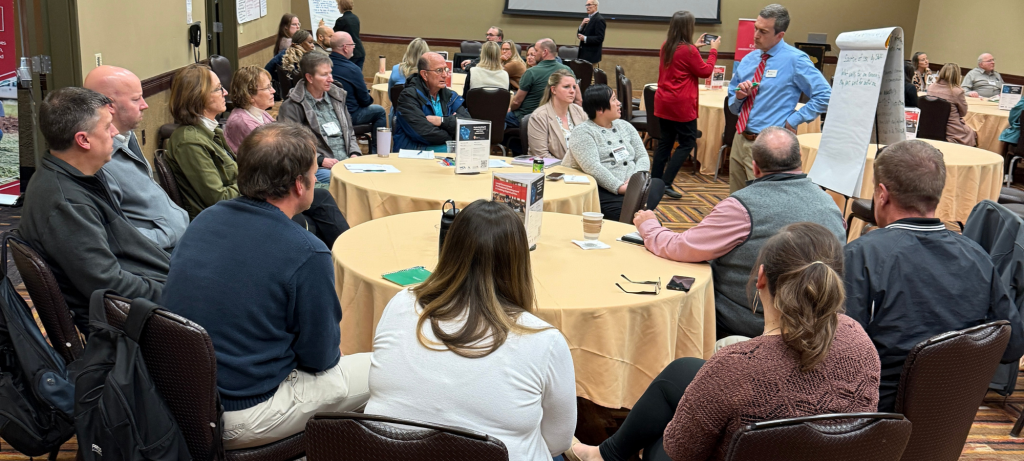
Navigating Artificial Intelligence
For local governments, navigating Artificial Intelligence (AI) can be a daunting task. No matter how big or small, municipalities and counties need to understand AI enough to develop use policies, train employees, negotiate software contracts, and comply with open records law.
Local governments have turned to Extension for both introductory and customized training to address the unique needs of their employees. Based on that growing demand, Extension offered AI Forums, a daylong training opportunity for Local and Tribal Governments, giving them experience with industry-standard tools and strategies for effective use.
Kevin Chovanec, AI Extension Specialist, works with local Extension educators to understand what communities need and provide research and training that helps. “AI can be overwhelming, especially with the rapid advancement we’ve seen over the past year, but Extension works to help communities understand AI and find practical solutions that safely and ethically address local needs.”
A new webinar, AI for Nonprofits, will be offered this fall and again in January. In addition, Extension will release an online course called “AI Essentials,” available to local governments, allowing organizations an asynchronous option for training current and new staff members.
From policy to practice: Implementing school cell phone bans
As a result of Wisconsin Act 42, Wisconsin schools will be implementing new student cell phone policies soon. Even with public support for limiting cell phones in classrooms, policies can be difficult to implement and enforce. Roxy Etta, Extension’s Child Development & Parenting State Specialist, says the biggest challenge comes after they write their local policy. “School leaders and educators are now wondering how to enforce new policies, how staff should respond to violations, and how to build family support around the policy.”
Because major policy changes rarely come with a blueprint that will work the same for every school, Etta partnered with Katie Campbell, one of the strategists for the Madison Metropolitan School District’s policy, to help local school districts. Together, they are offering three webinars designed to support different groups—school leaders, teachers, and families—involved in the transition from policy to practice. The webinars are focused on offering practical tools and evidence-based guidance for supporting students.
“Extension can help make sense of emerging research on school cellphone policies and turn that research into practical steps, while creating space for folks to think through what implementation could look like in their unique schools, classrooms, and families,” said Etta.

Mental Health First Aid
Roughly one in five adults experience a mental health or substance use challenge every year, making mental well-being a critical public health issue. Some groups like youth, rural and farm-connected populations have poorer mental health outcomes due to high risk, greater barriers to care, and fewer available supports. For example, rural youth are twice as likely to die by suicide as urban youth.
Mental Health First Aid (MHFA) is a program designed to teach community members how to identify, understand, and respond to signs of mental health concerns or illness and substance use disorders. The program builds skills and confidence to provide initial “first aid” support to those experiencing a crisis, guiding them toward appropriate care.
Since 2019, Extension’s program has offered over 300 classes, training more than 2,000 people in Wisconsin communities. According to Behavioral Health State Specialist Jen Park-Mroch, the program’s impact goes beyond teaching skills to participants. “When our friends and family are afraid to share or worried about negative attitudes, they are more likely to hide how they are feeling.” MHFA reduces the stigma around mental health concerns, which increases conversations and access to mental health care. “When you put all of those together, it creates a culture of caring in communities. And that has a lasting impact,” said Park-Mroch.
Here are more programs that help communities create local solutions to big challenges:
Navigating wind and solar energy opportunities
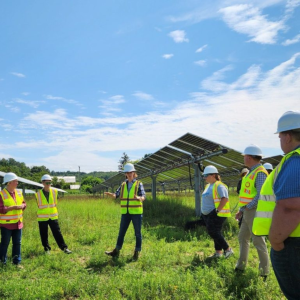
Renewable Energy Academy
Regional academies that provide a day of learning, dialogue, and action to help local leaders prepare for and navigate wind and solar energy development.
Addressing housing challenges
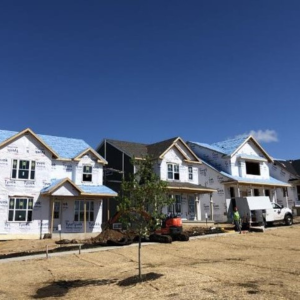
Regional housing summits
Regional gatherings for community leaders, housing professionals, local officials, and regional partners focused on understanding and addressing housing challenges.
Research-based parenting and child development

Raising Wisconsin’s children together
Classes, programs, and conferences focused on practical strategies to support healthy child development and positive parenting.
Healthy habits for low-income Wisconsinites
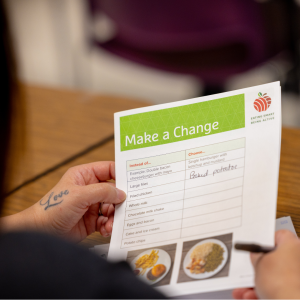
The Wisconsin Expanded Food and Nutrition Education Program (EFNEP) helps youth and families with limited resources build knowledge and skills to make lasting changes that support healthy eating and active living.
Supporting recovery

Recovery Friendly Workplaces
Recovery Friendly Workplaces is an initiative to help local employers understand policies and practices to create a supportive work environment.
Advancing broadband infrastructure
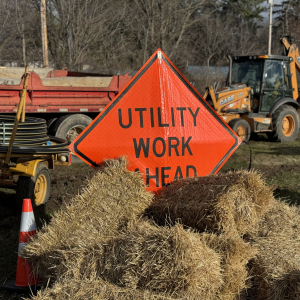
Broadband
Our Broadband team is helping Wisconsin communities advance broadband infrastructure, digital opportunity, and community connectivity.
Managing water and coastal resources
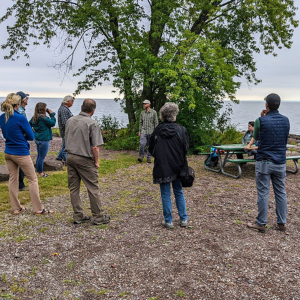
Lake Superior National Estuarine Research Reserve- Coastal training
Providing training and learning opportunities that inspire thoughtful management of the estuaries, watersheds, and coastal communities of the Lake Superior basin.
Climate and Weather information

Climatology Office
The Wisconsin State Climatology Office collects, analyzes, and shares climate information with our communities while leading the way in climate science education and research.
Groundwater protection and land use planning
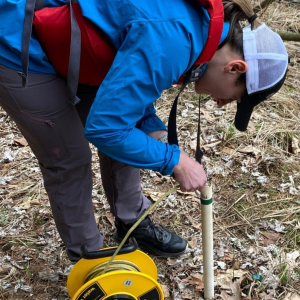
Water quality and Agriculture
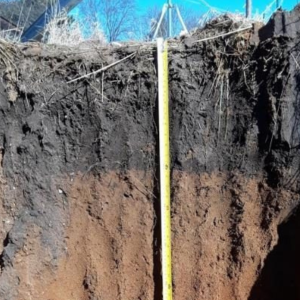
Water quality and Agriculture
Water quality initiatives offer researched strategies to help agricultural landowners, operators, and advisors reduce nitrogen loss to groundwater.