Learning happens in all kinds of formats and locations. Sharing what you know with peers is a valuable way to pass along information about what works and what does not. More formally, learning from peers enables networking, which cultivates like-minded groups that are able to support one another and thrive.
UW-Madison Extension incorporates peer-to-peer learning into programming, bringing peers together and giving them space to share and learn from one another. Through peer-to-peer learning, Extension is building local capacity so people with similar experiences, such as farmers, parents, and volunteers, can continue to learn from each other right in their own community.
Spaces for dads
After conducting a Fatherhood Needs Assessment, Extension educators found that fathers want more opportunities to meet and connect with their peers. While that may seem basic, it doesn’t happen often. And that has implications for individual and community health.
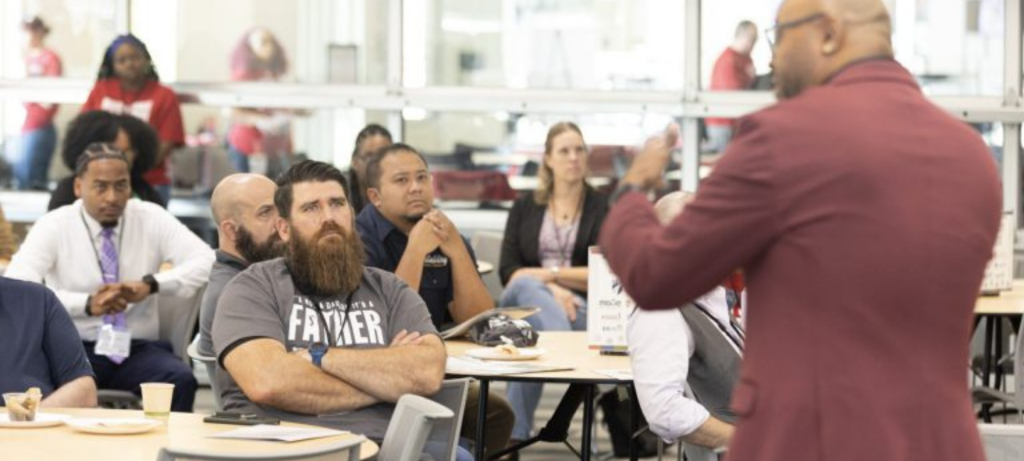
Extension’s Fathers in Focus Conference is one way that we are responding to that data. At last year’s event, nearly 200 fathers, mentors, coaches, and allies joined forces to teach, learn, and support each other, learning about important topics while sharing their stories and building connections.
Sharing on-farm research findings with neighbors
In Wisconsin, farmers are increasingly turning to one another to share ideas, test new practices, and learn what works on real farms. Organized groups of farmers are creating opportunities for this type of peer-to-peer learning by bringing together farmers, researchers, and conservation partners to address water quality challenges while supporting productive and profitable farms.
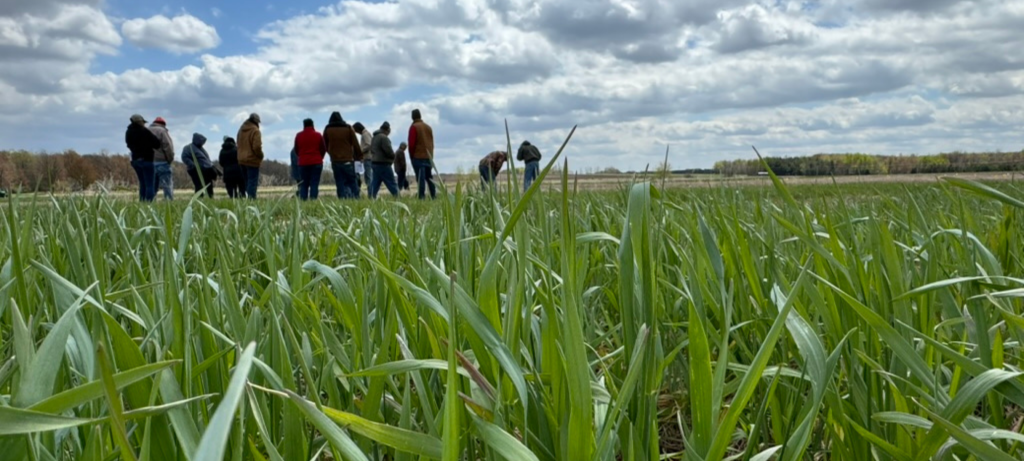
Recently, Extension hosted a Cover Crop and Forage Field Day in collaboration with the Eau Pleine Partnership for Integrated Conservation Watershed Group, a producer-led group in central Wisconsin. The event brought together farmers, conservation professionals, and researchers to learn directly from ongoing field trials and demonstrations.
Extension helps coordinate research projects across participating groups by developing consistent, science-based protocols that can be replicated statewide. These projects allow farmers to evaluate practices under real-world conditions while generating meaningful data that supports statewide conservation efforts and strengthens peer-to-peer learning opportunities among farmers across Wisconsin.
Practicing positive emotions together
When people intentionally practice positive emotions, they tend to sleep better and show lower levels of inflammation, loneliness, and stress. Those changes lead to better resilience, healthier aging, and lower risk of chronic disease.
Extension offers a 7-week program called WeCOPE that teaches research-based practices to help people practice positive emotions. Jen Park-Mroch, Behavioral Health specialist, says teaching the skill is just the first step. “They take practice. Some skills are easier than others, and some skills are common to us, like practicing gratitude. But WeCOPE brings people together, asks everyone to practice these skills from week to week and then share how things went with others in the class.”
Park-Mroch says that the classes are effective because of the peer-to-peer learning and support that happens. Through weekly check-ins, peers feel accountable to the group, which encourages them to actively participate. Hearing from their peers also provides a safe, supportive space where they can be honest about struggles and know they are not alone. “We’ve had a lot of participants tell us that they’ve tried other ways to reduce stress and nothing worked before WeCOPE. Having a safe space to practice and share challenges makes a big difference in the learning process,” said Park-Mroch.
Extension plays a key role in engaging individuals, businesses, and organizations in helping communities amplify their local knowledge. We also bring that information back to campus and inform researchers about the challenges that exist throughout the state. As part of the Wisconsin Idea, we provide a connection between local residents and researchers at UW-Madison.
Explore more examples of peer-to-peer learning at Extension:
Milwaukee Urban Demo Farm Network
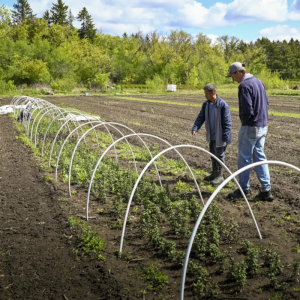
Through the Milwaukee Urban Demo Farm Network, urban growers share their innovative work in small-scale agriculture with fellow farmers and the public.
Restorative Justice
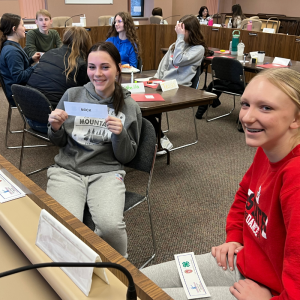
Teen courts provide youth with an alternative to traditional court proceedings and fines. By incorporating restorative practices, these courts encourage teens to reflect on the consequences of their actions and take meaningful steps to make amends, moving away from a consequence-based model and focusing on behavior change.
Supporting the NRCS Wisconsin Demonstration Farms Network
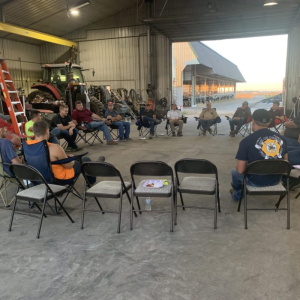
With the help of Extension educators, the NRCS Wisconsin Demonstration Farms Network has been rethinking the traditional field day to better align with the needs of farmers.
The Wisconsin Coverts Project
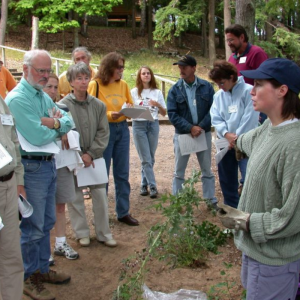
Giving landowners an opportunity to learn together, The Wisconsin Coverts project helps private landowners who want to enhance their woodlands for wildlife.