Small businesses, producers, and communities are faced with economic and financial situations every day. At Extension, we provide education, outreach, applied research, and expertise to support decision-making and finding direction.
We lead placemaking and strategic planning processes so local leaders and residents can decide together what they want their future to look like. Then we work with them to find available resources so they can put the plan into action. That includes rural communities, where we focus on rural livability and creating an entrepreneurial ecosystem that supports innovation.
For those who own businesses, we provide tools and conduct applied research that help them make informed decisions. Those decisions allow farmers and small businesses to reduce their financial risk and understand how decisions will affect their profits, their land, and the community around them.
Whenever possible, we look for ways to solve economic issues with community-centered solutions. Having Extension Educators living and working in the communities they serve is key to providing this. With their local knowledge and insights, they are a bridge between their community and the state. Here are a few examples of how we are bringing state resources and expertise to local communities.
Developing homecare & childcare cooperatives
Communities often struggle with economic development because their ecosystem lacks the services and resources required for growth, including quality care options for family members. Extension’s UW Center for Cooperatives (UWCC) is working with groups across the state to explore and develop cooperative businesses that meet local care needs while creating better jobs for caregivers.
For UWCC Executive Director Courtney Berner, worker ownership is a logical tool for addressing a statewide challenge. “Communities across Wisconsin are grappling with the same care and workforce issues,” said Berner. “We continue to ask how cooperatives can be part of the solution.” UWCC is currently providing development support and member education to cooperative groups in Bayfield, Dane, Green, Jackson, Vernon, and Winnebago counties.
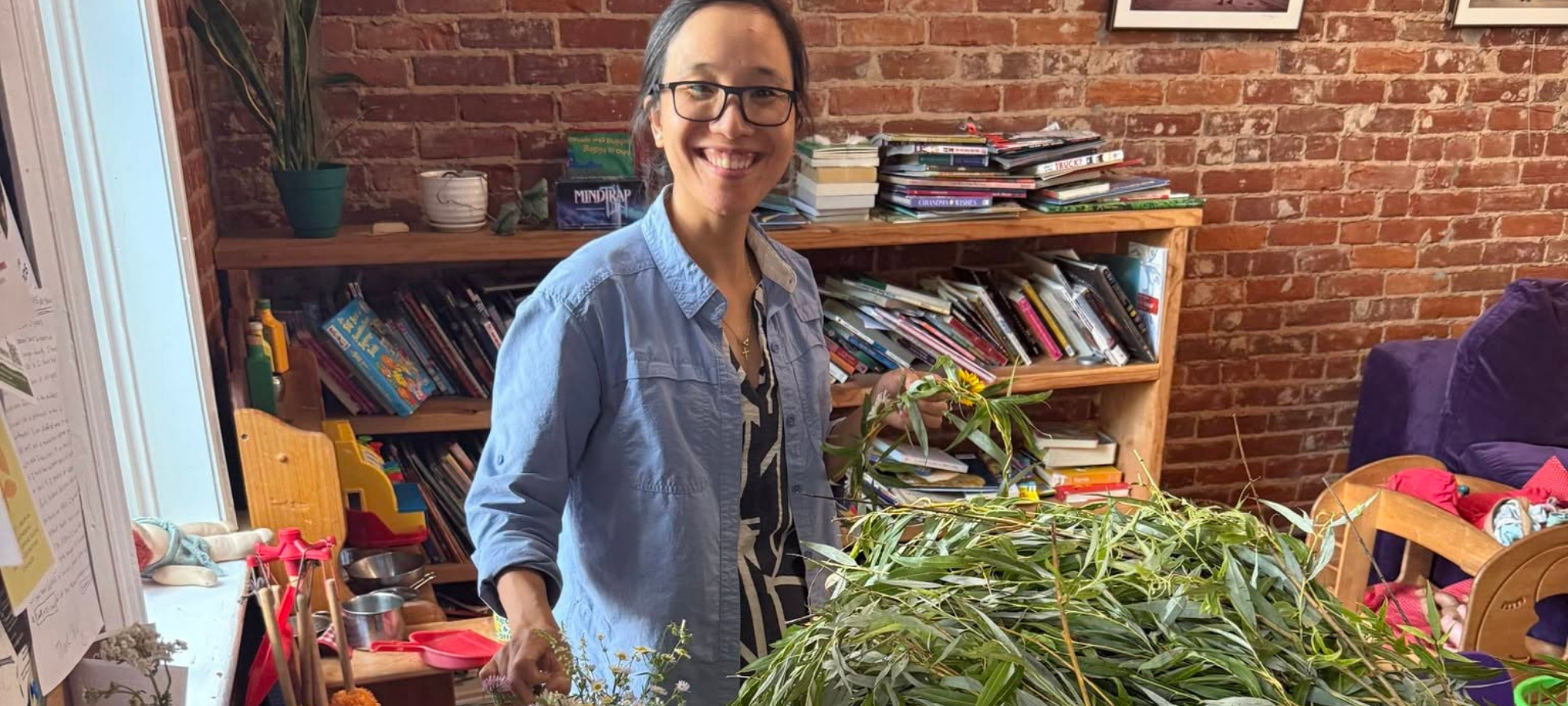
While the cooperative model is not a cure-all, research shows that worker-owned home care cooperatives experience lower caregiver turnover and offer higher wages than their non-cooperative counterparts. While no single approach will solve Wisconsin’s care crisis, UWCC is helping communities build locally rooted solutions that strengthen care systems and support the people who provide care.
Supporting producers’ financial decision-making
Profitable, healthy farm businesses are essential to Wisconsin’s $100 billion agriculture economy. Every farm faces financial risk, resulting from uncertainties surrounding policies and regulations, fluctuations in prices and costs, and increasing weather variability that affects both yield and quality. We support producers’ financial decision-making by providing research-based information and tools to help manage risk, strengthen farm businesses, and position operations for greater long-term profitability.
Silva Gaku, Farm Management Outreach Specialist, provides tools that help farmers assess risks and make informed decisions. While not all decisions will save money, producers have to determine how much risk they are comfortable with and which cost-cutting strategies make sense for their operation. For example, farmland is one of the largest assets in farming. Gaku created a tool that helps farmers determine if it’s better to buy more land or rent. He’s done the same with other large expenses, such as whether to buy a piece of equipment or hire someone else to do the work.
A risk management expense that producers struggle with is whether or not to buy crop insurance. Gaku created tools that allow farms to analyze crop insurance programs, looking at their historical performance as well as a “what if” tool to consider potential scenarios for the coming year. Gaku’s work helps farmers decide which crop insurance would be most beneficial, if any at all. “We are coming from a neutral place. We don’t get a commission if they buy an insurance plan. Our goal is to provide producers with the best information possible so they can make the best decisions for their business,” said Gaku.
Building a stronger maple economy
By helping producers identify and tap into new business opportunities, we are building local capacity for economic development. Tony Johnson, Natural Resources Educator, teaches private landowners about forest farming, of which maple sugaring is in high demand. In fact, over the last 3 years, Johnson’s outreach has led to more than 120 people tapping for the first time or expanding their operations. Of those, dozens have grown or launched maple businesses. With Wisconsin having a lot of untapped potential, Johnson expects the maple syrup industry to continue to grow.
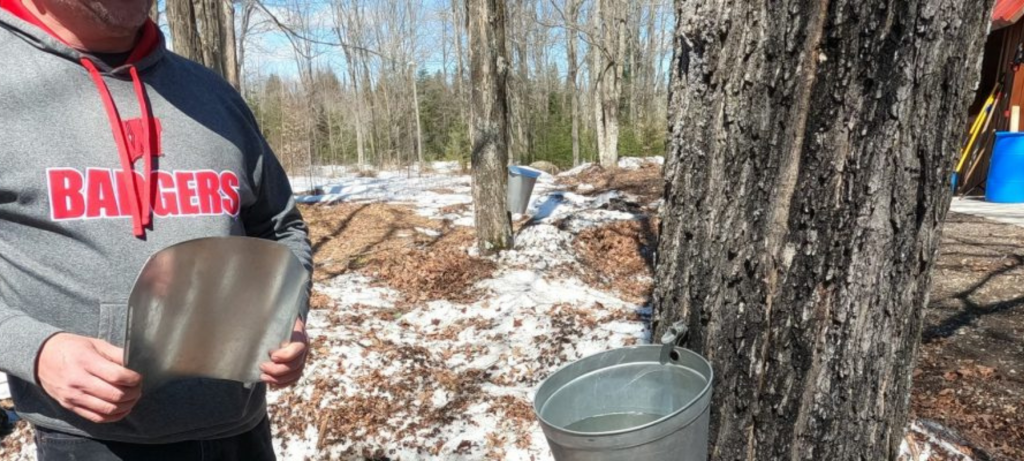
In the last 10 years, Wisconsin’s maple syrup production has doubled and ranks 4th in the nation. To support Wisconsin’s maple syrup producers, Extension offers hands-on workshops, Maple Hour webinars, sugarbush forestry trainings, and beginner resources. The recent addition of a maple tubing system and small-scale evaporators at the Kemp Natural Resources Station increases the ability of Extension educators to support producers who want to scale up production. “We’re here for anyone who is interested in learning, whether they are backyard sugarmakers or commercial operations. Our goal is to meet growing consumer demand while building a stronger maple economy,” said Johnson.
Extension plays a key role in community economic development throughout the state, especially in rural communities. We also share findings with our partners on campus, informing researchers about the challenges that exist throughout the state. As part of the Wisconsin Idea, we are influencing people’s lives beyond the boundaries of the classroom.
Explore more examples of Extension’s economic development work:
Rural Entrepreneurial Ventures

The Wisconsin Rural Entrepreneurial Ventures is designed to advance entrepreneur-focused economic development by helping communities put systems in place that support new businesses and the growth and retention of existing businesses. See how Merrill, WI is using the program.
Design Wisconsin
A community visioning program that builds and motivates positive community change through the use of design charrettes. Relying on a team of professional volunteers embedded in the community, Community Design Charrettes are high-energy community planning activities that concentrate public involvement into a multi-day event (i.e., the charrette) in order to discover a shared vision for the future while generating the energy needed to pursue that vision.
Broadband

As an important piece of economic development and entrepreneurship, we are helping communities advance broadband infrastructure, digital opportunity, and community connectivity.
Community Economic Analysis

Communities often want to do something to change their local economies, such as providing satisfactory jobs and incomes for current and future residents. Community Economic Analysis (CEA) examines how a community functions economically and provides useful information for decision-makers.
Covering Wisconsin

Covering Wisconsin helps connect Wisconsin residents with health insurance and other programs that support health.
Food and Farm Business Development
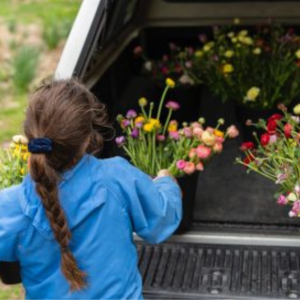
Connecting Wisconsin farmers with practical resources, trusted information, and opportunities to learn from others, farmers explore new business ideas or ways to bring in additional income. These tools help decide whether a new enterprise is a good fit and understand what it takes to make it successful.
Becoming an Employer of Choice
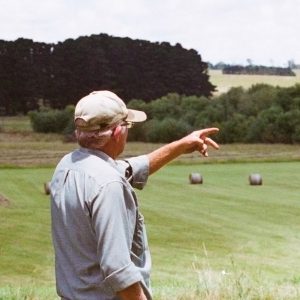
A four-week course for farm managers that mixes self-study with instructor-led discussion groups to improve their farm’s employee engagement.
Cultivating your Farm's Future
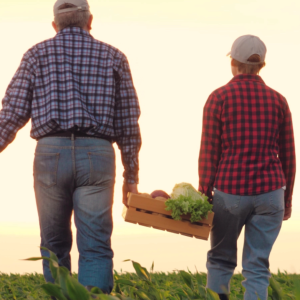
An interactive program that provides tools and resources for producers to begin the succession planning process.
Forest Farming
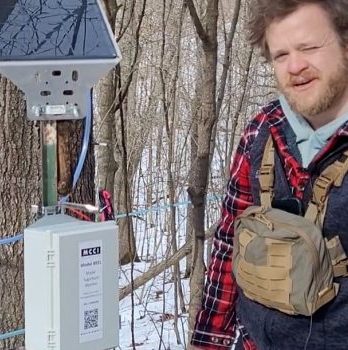
Timber is far from the only product private forest owners can harvest from their woods. If they know what to look for, they can find and foster edibles, seeds for plant propagation, and more. Non-timber forest products can be for personal use or for additional income.
Emerging Crops

Providing the latest research and information on a growing number of emerging crops, the Emerging Crops Accelerator aims to strengthen the vitality and resilience of Wisconsin agriculture through the development of new crops, new products, and new markets.