Through community-engaged science, UW–Madison Extension is building local capacity so that communities can thrive. By engaging communities in research and scientific inquiry, community members help shape research questions, data collection, and the use of results. That leads communities to have more trust in the findings and more “buy-in” when the findings lead to new procedures or programs.
Extension plays a key role in engaging individuals, businesses, and organizations in science. Because we have a presence in communities throughout the state, we provide a connection between researchers at UW-Madison and local residents. Community-engaged science is one way that Extension brings campus to all corners of the state.
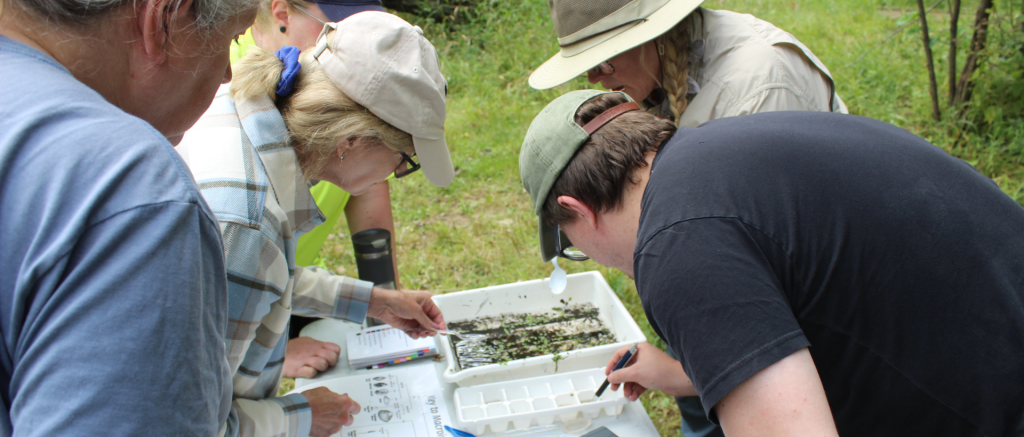
Partnering to find invasive species
Stiltgrass, a non-native invasive plant, can quickly take over a forest floor, leading to more frequent and severe wildfires and leaving less habitat for wildlife. When invasive plant experts at UW-Madison and the Wisconsin Department of Natural Resources verified the presence of stiltgrass in Rock County last fall, they looked to Extension to engage communities in the search for additional sightings.
In response, Scott Hershberger, Extension Forestry Communications Specialist, launched a digital outreach campaign, encouraging Wisconsinites to search for the plant. The campaign reached over 350,000 people and led to the detection of three more infestations. Extension continues to educate through webinars and classes, training more residents to look for stiltgrass and report their findings. (And there’s a new invasive plant to look for right now!)
Mark Renz, a professor in the College of Agricultural and Life Sciences and Extension weed specialist, helped verify the stiltgrass infestations. Having more data on invasive species helps his lab better understand how species spread, so they can control and prevent further infestations. He works with community members to do that. “The use of trained volunteers in detecting invasive species can help provide critical information that otherwise is not available,” he said. And that’s a benefit to both communities and researchers.
Improving practices through on-farm research
For Deer Run Dairy, participating in on-farm research has driven transformative changes. “Water quality has been a focus in Kewaunee County for quite some time, but we don’t know what is actually going on in terms of the environment until you collect the data,” explained Duane Ducat, who farms with his son, Derek, and business partner, Dale Bolgart, at the 3,200-acre Deer Run Dairy in Kewaunee County.
On-farm research works closely with farmers and local partners across Wisconsin to investigate the research questions and hypotheses farmers want to explore. In turn, Extension provides research and outreach support, ensuring on-farm trials stand up to scientific scrutiny and results make their way off the farm for other farmers to use.
Incorporating lived experience in the research process
When Kristin Litzelman, associate professor in the School of Human Ecology and Extension specialist, wanted to understand how caregivers experience caregiving, she went right to the source. Through a project called “In Care Of,” Litzelman’s team invited caregivers to share postcards about their joys, challenges, and gratitude. By using art as a tool to raise awareness, the project brought scientific findings into a community setting in a useful and impactful way.
In human development research, community-based studies allow communities to collaborate with researchers, so that lived experience and local knowledge are included. “Local knowledge is particularly important because that local context — the community culture, relationships, organizations, and so on — is such an important part of shaping our experiences and what will work to help solve problems,” said Litzelman.
Explore more examples of community-engaged science at Extension:
Discovery Farms
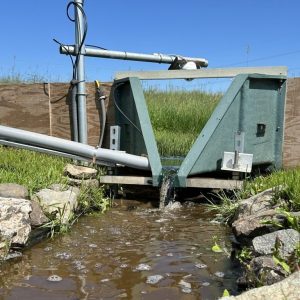
Celebrating 25 years of on-farm research, Discovery Farms works alongside farmers, researchers, and partners to deliver trusted data, practical solutions, and strong relationships that support resilient farming and clean water.
eDNA @ Upham Woods
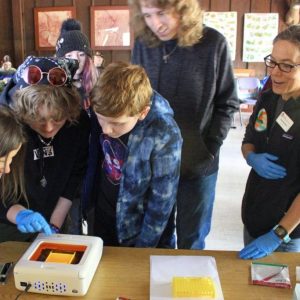
Youth learn to collect samples from the Wisconsin River and extract environmental DNA, contributing to ongoing data to help monitor and track invasive carp.
Fatherhood Needs Assessment
Given the importance of fathers for child development and family well-being, we interviewed Wisconsin fathers to assess their needs and identify programming that would fill those gaps.
“In Care Of”
Caregivers were asked to share postcards reflecting the joys, challenges, and gratitude that caregiving brings. Submissions became a public exhibit to raise awareness and provide support to caregivers throughout Wisconsin.
Lower Fox River Watershed Monitoring Program
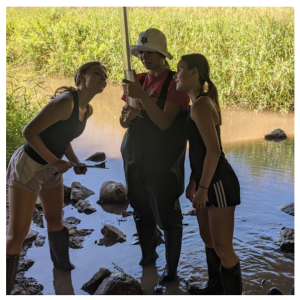
Classrooms adopt local streams for seasonal monitoring of water quality parameters, contributing to a long-term data set assessing the health of streams in the Green Bay watershed.
Master Naturalists
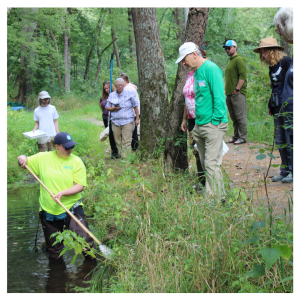
Supporting a network of volunteers and instructors dedicated to conservation service, leadership, and lifelong learning resulted in 1,005 Master Naturalists reporting 90,328 volunteer service hours in 2025.
Nitrogen Optimization Pilot Program
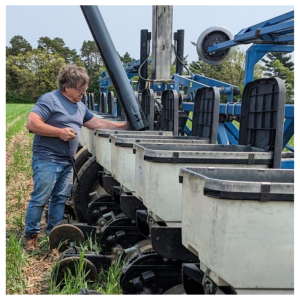
Funded by the State of Wisconsin, NOPP supports farmer-driven, on-farm research critical to improving profitability and water quality through improved on-farm nitrogen management.
Snapshot Day
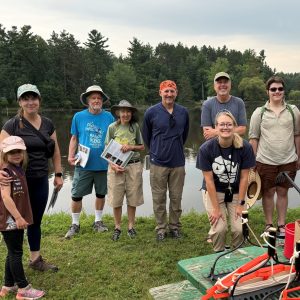
One day each year, Snapshot Day engages volunteers and local conservation groups to search for aquatic invasive species, helping protect Wisconsin’s rivers, lakes, and wetlands.
Water Action Volunteers
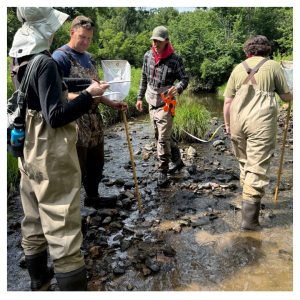
To help monitor 86,000 miles of streams and rivers in Wisconsin, the Water Action Volunteers support local organizations and agencies with standardized data-collection protocols, hands-on training, technical assistance, and a user-friendly dashboard to view data and trends.
WELL Water Trend Networks

Working with counties, the Center for Watershed Science and Education developed citizen-based private well water monitoring programs to detect changes in well water quality and trends over time and space.